Skip to content
Locally produced compost for Irish gardens and land

Feed Your Soil Naturally

barenox is an Irish organic compost farm focused on soil-first growing. We turn clean, traceable green inputs into stable, mature compost that supports healthy roots, improves structure, and helps your beds hold moisture through Irish weather shifts.

Organic inputs
Clean, plant-based feedstocks
Mature batches
Cured for stability and ease
Moisture friendly
Helps soil hold water longer
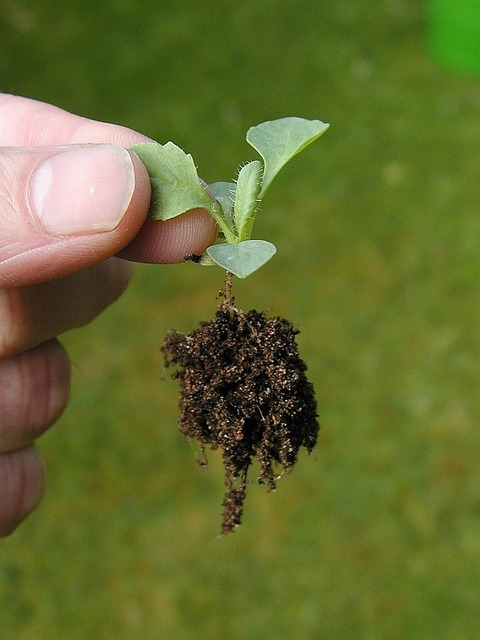
rich dark soil compost pile with young green plants Ireland
Soil-first compost
For beds, pots, lawns, and landscaping
Ask a question
Circular organics

We prioritise reuse of green materials and careful screening to keep compost clean and consistent.

Stable texture

A crumbly finish that blends easily into soil, top-dresses lawns, and supports root development.

About barenox

Founded in 2016, barenox is built around a simple idea: better compost starts with better inputs and patient finishing. We focus on producing organic compost for Irish conditions, where heavy rain, cool springs, and compacted ground can make it difficult to keep soil open and active.

Our work centres on balancing carbon and nitrogen, monitoring temperature and moisture, and curing each batch until it is stable and easy to use. That means fewer surprises in the garden and more predictable performance for growers, landscapers, and community projects.
compost windrows on Irish farm with earthy brown texture

Farm-scale composting

We manage windrows for steady aeration and even decomposition. Each turn is timed to keep microbes active while avoiding over-drying, which helps produce a stable, earthy compost.

fresh seedlings growing in compost enriched soil trays

Grower-friendly blends

From top-dressing to bed building, we offer compost types designed for practical use. We describe what each product is suited for, so you can choose with confidence.

close-up of crumbly compost with organic matter and soil structure

Careful finishing

Maturity matters. We cure compost so it is stable, easier to spread, and less likely to tie up nitrogen when incorporated into soil.

Irish garden beds with healthy plants and dark compost top dressing

Made for Irish gardens

Compost supports soil structure and biology. We share practical guidance for top-dressing, mulching, and blending with native soils found across Ireland.

Compost types

Different projects need different textures and finishes. Below are common options we supply, with clear, practical uses. If you are unsure which is right, contact us and describe your soil, crop, or site plan and we will point you to a suitable starting point.

View all compost types
screened compost close-up fine texture for gardens

Screened Garden Compost

Popular

A fine, crumbly compost suited to vegetable beds, borders, and planters. Ideal for blending into the top layer or using as a light top-dress in spring and autumn.

  • Easy to spread and rake
  • Supports soil structure and biology
coarser compost mulch with woody particles for pathways and beds

Mulch Compost

A coarser grade designed for surface application around trees, shrubs, and perennial beds. It helps protect soil from heavy rain impact and reduces moisture loss during dry spells.

  • Great for top-layer coverage
  • Helps manage weeds by shading soil
soil improver compost blend for lawns and landscaping Ireland

Soil Improver

A balanced compost for general soil improvement across lawns and landscaping sites. Use it to lift tired ground, help drainage in compacted areas, and improve tilth over time.

  • Improves moisture handling
  • Helps loosen compacted soils

Benefits you can measure in the soil

Compost works as a long-term soil builder, not a quick fix. When applied consistently, it supports a living soil that drains better after heavy rain, holds moisture more evenly, and provides a steadier environment for roots. The result is often fewer inputs and more resilient growth.

We recommend matching the compost type to your goal: structure, top-dressing, mulching, or general improvement. If you are trialling compost on a new site, start with a small area and compare water retention and soil feel over a few weeks.

Improved structure

Compost helps create stable aggregates, so soil is less likely to form a hard crust. That means easier planting, better root exploration, and reduced surface runoff.

Water resilience

Organic matter helps soil handle both extremes: drainage after storms and moisture retention during dry periods. This steadier moisture can reduce stress on plants.

Supports soil life

Compost provides habitat and food for beneficial organisms. A more active soil food web can contribute to nutrient cycling and improved tilth.

Gentle nutrition

Mature compost contributes slow-release nutrients and helps improve nutrient holding capacity. It complements, rather than replaces, a well-planned feeding programme.

Need help choosing an application rate?
Tell us your area size, soil condition, and goal. We will suggest a practical starting point.
Contact our team

Our composting process

We keep the process straightforward and transparent. Compost quality depends on consistent management: balanced materials, active aeration, and enough curing time to create a stable product that is pleasant to handle and simple to apply.

See the full process

1) Inputs & checks

We start with clean, traceable green inputs and perform visual checks to reduce contamination. This step is essential for a compost that is suitable for gardens and landscaping.

2) Aeration & turning

Windrows are managed for oxygen and temperature. Turning schedules help keep decomposition active and even, supporting a consistent finish batch to batch.

3) Curing & screening

After active composting, we cure the material to improve stability and handling. Screening creates a predictable texture for different uses, from beds to top-dressing.

composting process steps on Irish organic farm turning windrows

Practical guidance for application

If you are using compost for the first time, keep it simple. For beds, many growers start with a thin top-dress and then lightly fork it in or let rainfall move it down naturally. For shrubs and trees, apply as a surface layer and keep it a short distance from stems to help airflow and reduce dampness around bark.

For lawns, a light dressing can help improve soil structure over time. Water in if conditions are dry, and avoid applying to waterlogged ground. If you want a recommendation for your site, our contact form lets you share your area size and project goal.

Contact

Tell us what you are growing or building and we will respond with product options and practical next steps. We can help with garden quantities, community growing projects, and larger landscaping needs. If you already know what you want, include an estimated volume and preferred delivery window.

Address
The Capel Building, Mary’s Abbey, Dublin 7, D07 YF40, Ireland
Response times
We reply Monday to Friday. Messages sent outside business hours are answered on the next working day.

Request pricing or guidance

This form is for compost enquiries only. We use your details to reply to your request and for basic record keeping. Marketing emails are optional and require consent.

Please enter your name.

We will only use this to respond to your enquiry.

If you prefer a call-back, include your number.

Include location (county), approximate area size, and preferred delivery date if relevant.

By submitting this form, you agree to our Privacy Policy.

Delivery notes

Share access details, gate widths, and the preferred drop point. Clear directions help us plan a smooth delivery and reduce time on site.

Straightforward, honest guidance

We do not promise unrealistic outcomes. We help you choose a compost type and application method that fits your soil and project goals.