
Skip to content
A transparent approach, designed for consistent compost

How we make compost

Our process is built around predictable, mature batches for Irish gardens, farms, and landscaping. We focus on careful inputs, steady aeration, and sufficient curing time, so the finished compost is stable, easy to spread, and suited to real-world soil improvement.

Clean inputs
Lower contamination risk
Active aeration
Even breakdown in windrows
Curing time
Stable, usable compost
compost windrows turning on Irish organic compost farm process
From inputs to finished compost
Managed steps for predictable texture
Jump to steps
Quality handling

We prioritise clean material flow and clear product descriptions so you know what you are buying.

Consistent finish

Curing and screening support a predictable spread and easier blending into existing soil.

What “mature compost” means to us

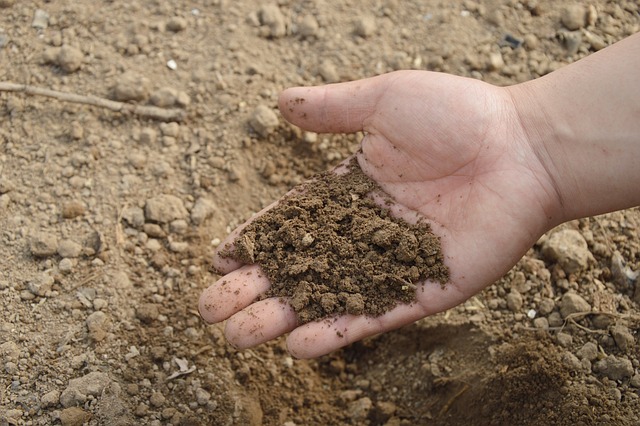
Compost is not finished when the pile cools. Mature compost is stable, meaning it has moved beyond the most active stage of decomposition and is less likely to heat up again after you spread it. This stability supports straightforward application in beds, borders, and landscaping projects.

We also care about texture and usability. A compost that is too wet clumps and is difficult to handle, while a compost that is too dry can be dusty and harder to integrate. Our goal is a clean, earthy product that blends well, top-dresses easily, and supports long-term soil improvement.

Compost is a soil amendment. For plant nutrition, it is best used as part of a wider plan that includes soil testing, crop choice, and thoughtful feeding where needed.
close-up of rich compost and soil structure with plant roots

How this helps your project

For gardens, stability and texture matter because you want compost that is easy to spread and gentle to incorporate. For landscaping, consistency matters because it affects labour time, finish quality, and how the surface looks after raking and watering. A predictable compost helps you plan the job with fewer adjustments on site.

If you are comparing products, start with your goal: top-dressing, mulching, or building soil. Then choose a compost type designed for that use. You can review our options and ask for a recommendation based on your soil and area size.

Easy handling

Compost should be practical: easy to shovel, rake, and spread. Our finishing stage is designed to support smooth application in everyday work.

Fit-for-purpose

We describe compost types in plain language and help align the product to your goal, whether that is beds, borders, or general soil improvement.

Step-by-step process

These stages show how materials move through our system. Times vary by season because Irish weather affects moisture, temperature, and drying. We avoid rushing the finish, because curing is a key part of producing compost that performs reliably.

Ask about your use case

1) Inputs and sorting

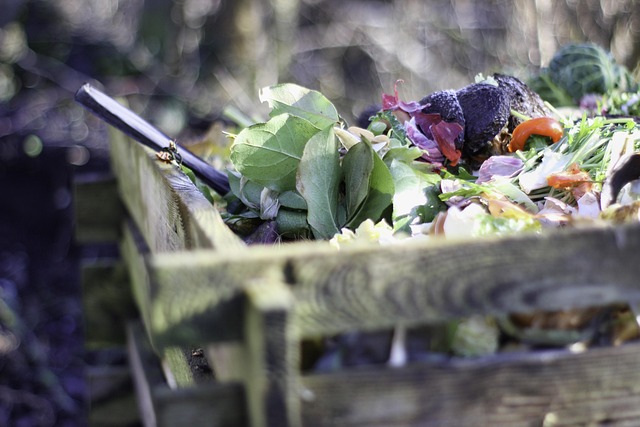
We begin with green inputs and carry out practical checks to reduce contamination. Keeping plastic and non-organic items out at the start helps protect the quality of the finished compost and reduces waste later in the process.

This is also where we think ahead about the end use. If a batch is intended for a finer product, we manage the feedstock blend and processing route accordingly.
2) Blending and forming windrows

Composting works best when carbon- and nitrogen-rich materials are balanced and moisture is controlled. We blend inputs and form windrows sized for efficient aeration and manageable turning.

A good windrow shape supports airflow while holding enough heat for microbial activity. Consistency here helps produce consistent compost later on.

3) Active composting and turning

During the active stage, we monitor temperature and manage oxygen through turning. Turning helps even out decomposition, reduces wet pockets, and keeps microbial activity moving in the right direction.

Seasonal conditions influence turning schedules. Wet weeks can require careful moisture handling, while dry spells can call for protection from over-drying.

curing compost piles under Irish weather ready for screening

4) Curing for stability

After the active stage, the compost needs time to settle and stabilise. Curing helps reduce the chance of reheating, improves the feel of the compost, and supports a more predictable result when it is mixed into soil.

This is a stage many shortcuts happen in the industry. We treat curing as essential because it makes the finished compost easier to use and more consistent across batches.

screening compost to fine texture for garden use Ireland

5) Screening and grading

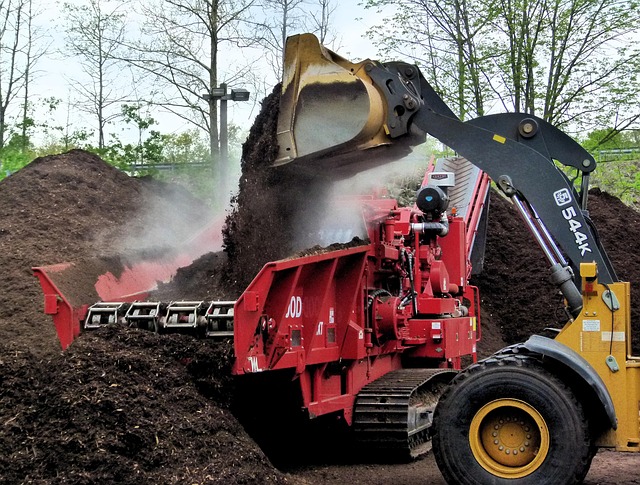
Screening helps create a predictable texture. Finer grades suit beds and planters where you want a smooth spread, while coarser grades can suit mulching and surface coverage on larger sites.

Clear grading also makes ordering easier. You can choose a compost type based on application style rather than guessing how it will handle once delivered.

Want a recommendation based on your soil and goal?

Share your county, approximate area size, and what you are trying to achieve. We will suggest a compost type and a practical way to apply it, with notes about timing and site conditions.

Handling and storage guidance

Compost is a natural product and will change with weather and storage conditions. For best results, keep it covered if it will sit for more than a few days in heavy rain, and avoid compacting the pile too tightly. Good airflow helps preserve a workable texture and reduces the chance of the surface sealing over.

For garden use, apply compost when soil is workable rather than waterlogged. For landscaping, plan deliveries so material is used soon after arrival, especially during very wet spells. If you are unsure about timing, tell us your project schedule and we can help you plan a delivery window.

Cover in heavy rain

A simple cover can help keep compost workable and reduce nutrient-rich runoff from the pile area.

Avoid over-compaction

Keep piles loose enough for airflow. Over-compaction can create wet pockets and reduce ease of spreading.

healthy garden plants growing in compost enriched soil Ireland

Common questions

Will compost replace fertiliser?

Compost is mainly a soil amendment that supports structure and biology. It can contribute nutrients, but many growers still use targeted feeding based on crop needs and soil tests.

When is the best time to apply?

Many gardeners apply in spring and autumn. On wet ground, wait until the soil is workable to avoid compaction. For mulching, apply when weeds are controlled and soil is moist.

How do I choose the right compost type?

Start with your application: top-dressing and blending usually suit finer grades, while surface coverage can suit a mulch compost. If you share your project details, we will suggest a suitable option.